

Every family at Catholic Education Western Australia’s 149 Catholic schools now has a new resource that highlights an important issue, when the adults in a school community work together respectfully, children feel safe, supported, and ready to thrive.
Catholic Education Western Australia (CEWA) this month delivered the new Parent and Carer Code of Conduct to families on Monday 20 July, in a joint letter from CEWA Executive Director Annette Morey and Catholic School Parents Western Australia Executive Director Siobhan Allen.

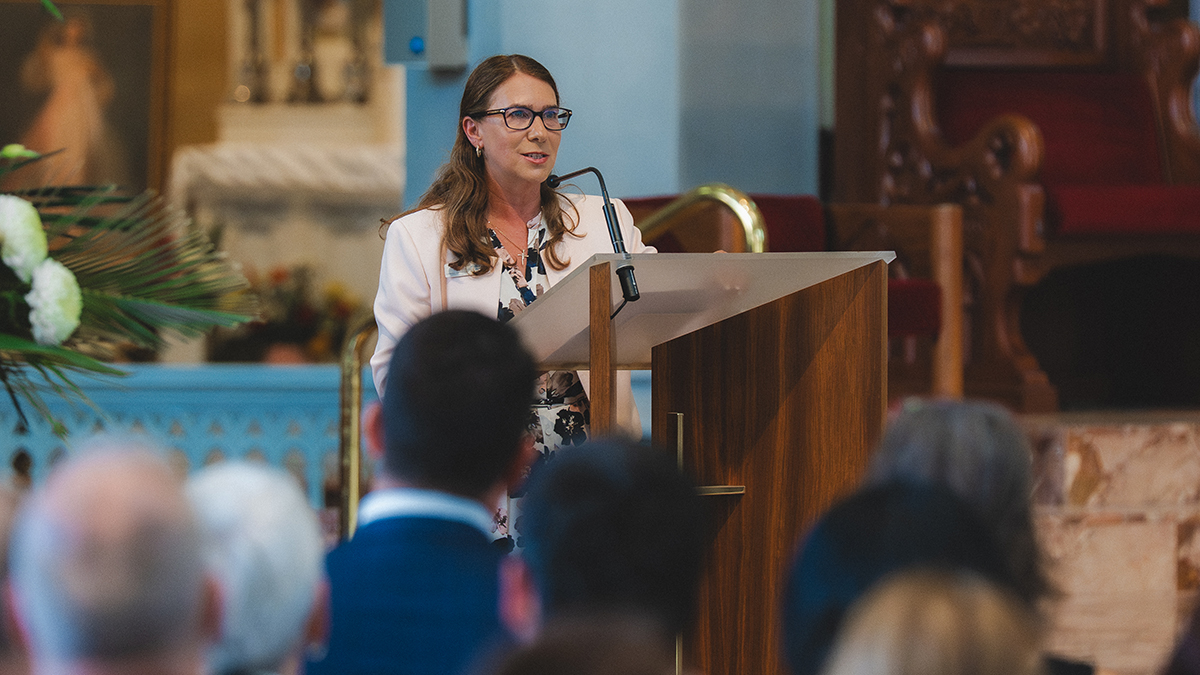
CEWA Schools across the Archdiocese of Perth and the Dioceses of Broome, Geraldton and Bunbury began circulating the new policy in the first few weeks of Term Three.
Ms Morey said the Code reflects what most families already do instinctively.
“Most parents will read this and recognise themselves in it, and that is rather the point,” Ms Morey said.
“This is about supporting the strong relationships that already exist in our schools.
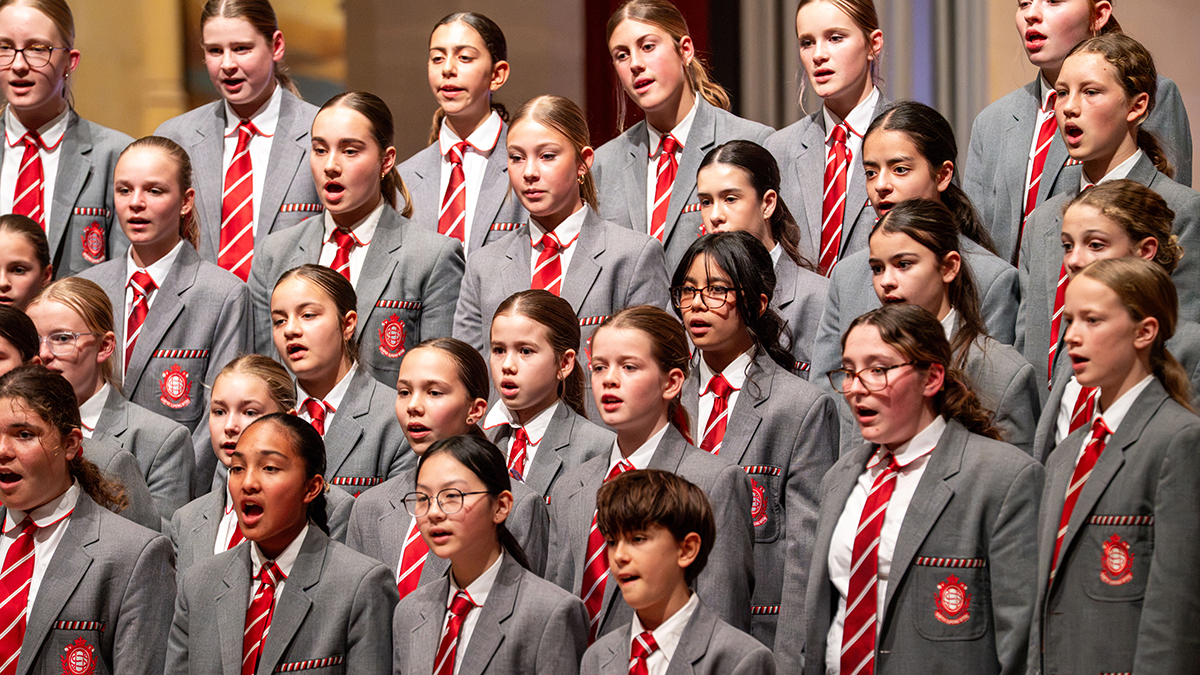
“When conversations are respectful and collaborative, children see the adults in their lives working together, and that creates an environment where they feel secure and able to flourish.”
She emphasised that the Code is not about policing families but about giving principals and parents a shared reference point when navigating challenges.
The new policy was developed following extensive consultation with parent groups and school leaders, and builds on the CEWA Code of Conduct, which has set minimum standards of behaviour for staff, students and volunteers since 2017.
At its heart are twelve statements which encourage parents to act safely and competently, prioritise student wellbeing, respect the privacy of other families, and ensure children have a voice in decisions that affect them.
The Code also encourages parents to raise concerns early and to keep grievances away from children, recognising that children’s emotional safety is often shaped by how the adults around them communicate with each other,
The policy also reinforces that staff have a right to disconnect, and that complex or emotional matters are best addressed through face‑to‑face conversations in a timely manner. These expectations help maintain healthy boundaries and model positive communication for young people.
Ms Morey said the Code supports communities to develop a shared understanding of roles and responsibilities in creating safe, supportive and welcoming school environments, where all feel valued.
It also outlines unacceptable behaviours that undermine these positive environments, such as aggressive language, demanding meetings without notice, entering classrooms uninvited, posting defamatory material online, or harassing staff through social media.

Clear processes are listed for addressing such situations, ranging from reminders to formal warnings, and restrictions on contact.
Ms Allen, whose organisation has represented Catholic school parents in WA since 1954, said families welcome clarity that reinforces positive partnerships.
“Parents wanted to know where the line sits, and they wanted to know their concerns would be taken seriously when they raise them. This does both,” she said.
“It is not a set of rules handed down to families. Parents helped write it. And at its core is something simple but compelling, children feel safe when they see the adults in their lives speaking respectfully and working together. Avoiding conflict in front of children is harder than it sounds, but it matters more than most of the others.”
The Code is available at policy.cewa.edu.au