

By Rev Prof Eamon Conway

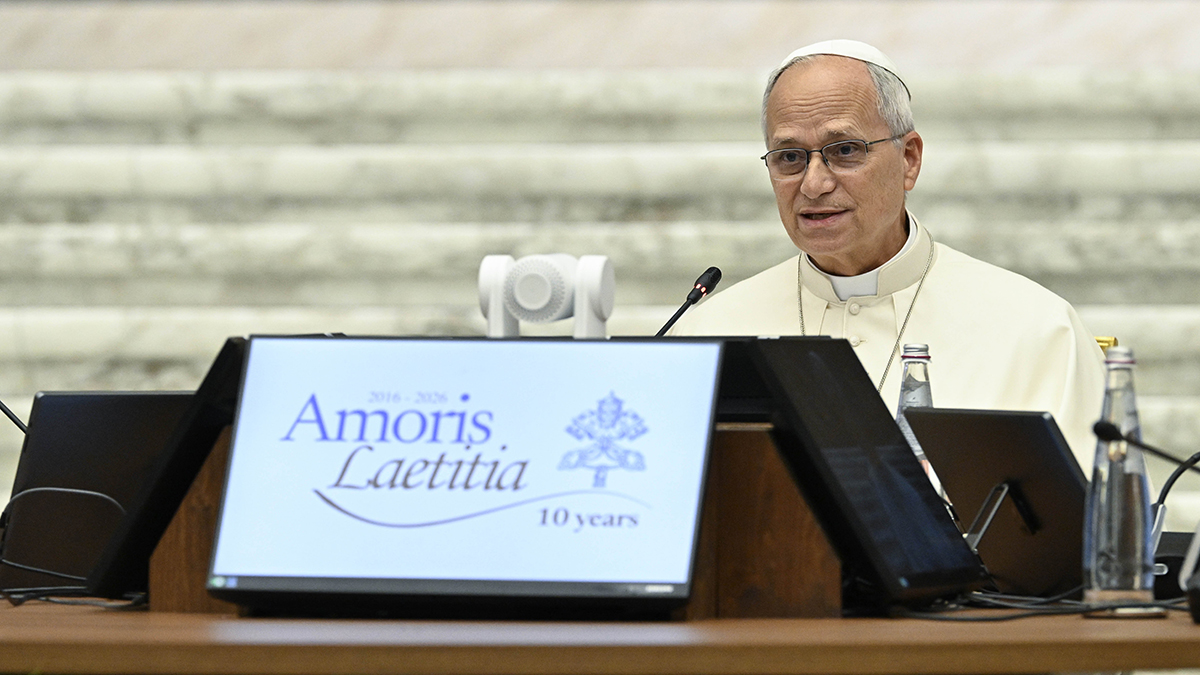
The Assembly addressed Communion for Catholics who are divorced and civilly remarried as one of the sensitive questions on which different perspectives and emphases remain.
In my view, some of these differences arise from an incomplete understanding of what Amoris Laetitia proposes, despite magisterial clarification, most recently in 2023.
Shortly after the publication of Amoris Laetitia, a priest asked me whether he should answer yes or no when someone in a second union enquired about receiving Communion.
I replied that either answer would fall short of the Exhortation’s pastoral approach.
A general prohibition is easier to administer than the patient work of accompanying people towards mature judgement and responsibility.

Yet pastoral conversion calls the Church to form consciences rather than replace them, helping each person discern through listening, prayer and reflection.
Those who undertake this work need sound formation, skills in listening and discernment, and the maturity to guide conscience without usurping it.

At the same time, the Church must not overlook young people who are striving, often against prevailing cultural currents, to live their faith and prepare faithfully for Christian marriage.
The day after I returned from the Assembly, I met two former students whose marriage I am celebrating in November. He is a “cradle” Catholic; she converted following a university pilgrimage to World Youth Day 2023, where they met. Over the past year, at their request, we have discussed Amoris Laetitia chapter by chapter.
Asked what she would have said to the Assembly, she spoke of the joy her faith has brought her and how it has enriched her understanding of marriage.