

By Rev Prof Eamonn Conway

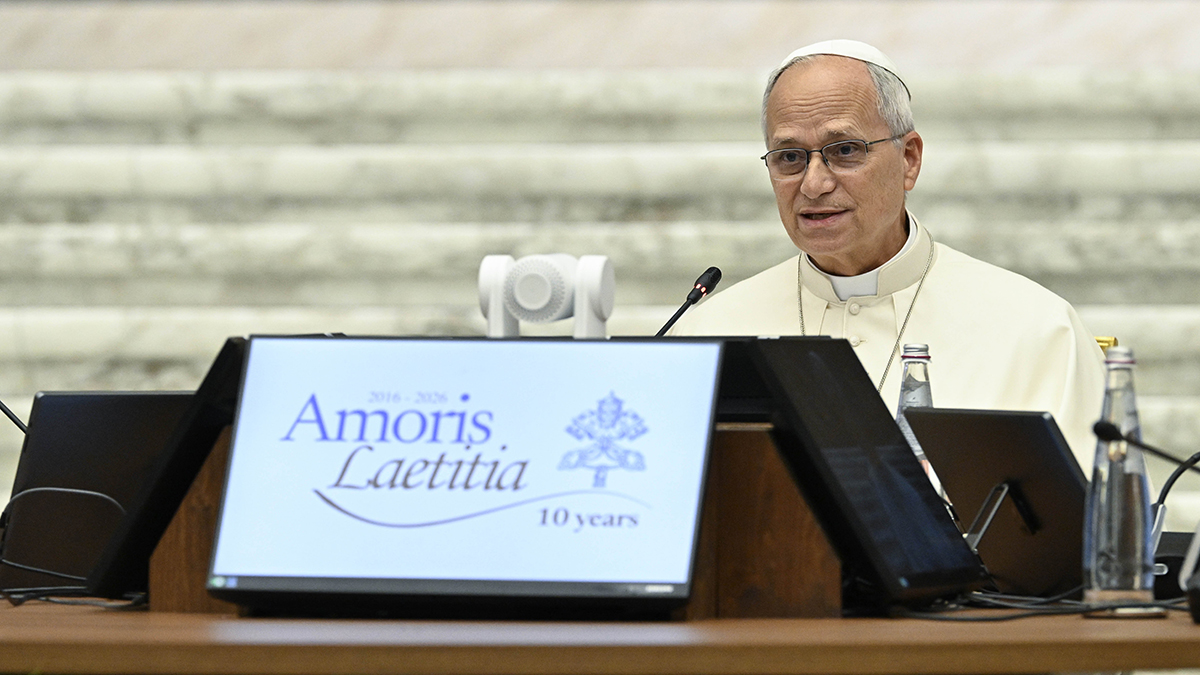
In a special two-part report on the anniversary of Amoris Laetitia, University of Notre Dame Rev Professor Eamon Conway writes that in marriage and family life, categories such as “regular” and “irregular” are giving way to recognition that every family is fragile and imperfect in its own way.
Amoris Laetitia (The Joy of Love), Pope Francis’s 2016 exhortation on love, marriage and family life, emerged from extensive consultation and two Synods of Bishops.
Ten years later, Pope Leo XIV called an Assembly of families, bishops and experts in Rome to take stock. What are the takeaways?
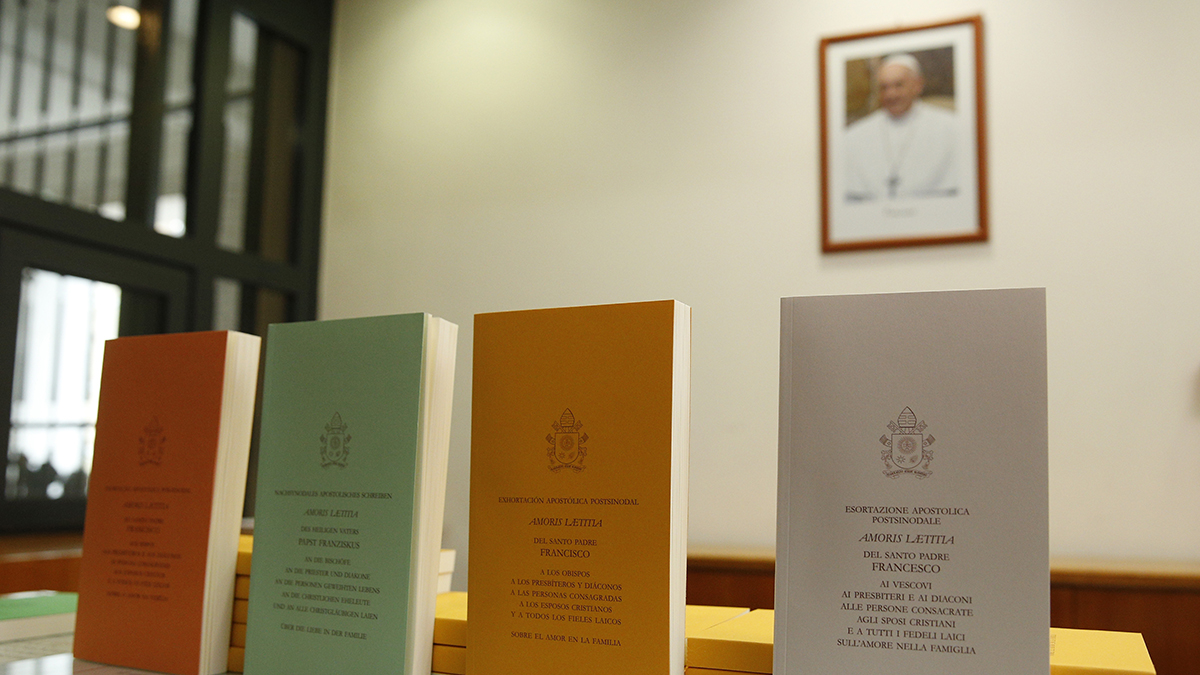
The Synthesis Report has not yet been published, and participants have been asked to respect its confidentiality so that Pope Leo XIV may consider it before publication.
Nevertheless, much of what took place in Rome last week is already in the public domain through published addresses, interviews with participants and daily press briefings.
Within those limits, what follows is my own assessment of the Assembly’s significance.
The principal takeaway is methodological. The “pastoral conversion” by which pastors make listening and accompaniment, rather than judgement, their default approach is now mainstream in Vatican policy.


In marriage and family life, categories such as “regular” and “irregular” are giving way to recognition that every family is fragile and imperfect in its own way.
War, forced migration, financial pressure, relationship breakdown, domestic violence, illness, disability, bereavement and isolation are among the circumstances families may face.
The first task of pastors is to understand what practical, spiritual and sacramental support each family needs from the parish community so that, amid the complexities of daily life, its members may encounter Christ’s love and respond to it.
This work is undertaken “with”, rather than “for”, families, recognising them as co-responsible for the Church’s mission.
This pastoral conversion is underpinned by a theological one. Vatican documents underpinning the synodal process call for a shift from self-referential, “desk-bound” theology towards a missionary, contextual and dialogical approach—one attentive to the concrete conditions in which people live, open to learning through dialogue and capable of reading the signs of the times in the light of Revelation.

This reflects a renewed understanding of where theology is done, whose experience informs it and how the entire People of God participates in discerning and communicating the Gospel.
The composition of the Assembly’s expert group showed that this shift continues: it included women theologians and canon lawyers, moral theologians specialising in marriage and spirituality, and practitioners on the front line of pastoral ministry.
The Assembly also showed how firmly Conversations in the Spirit has taken root, with its rhythm of speaking, listening, silence and seeking consensus.
Those who had attended the synods on the family ten years earlier noticed a marked change from the heated debates of that time.
Divergent views could be heard without provoking an immediate reaction, and tensions held long enough for genuine discernment rather than hardening into opposing positions or being forced towards premature resolution.
The atmosphere was correspondingly more serene—not because differences had disappeared, but because the process fostered communion without suppressing legitimate diversity.


Pope Leo XIV’s use of the same method at two consistories of cardinals suggests that it is becoming the Church’s preferred way of meeting the challenge of sustaining unity across different cultural settings.
Beyond methodology, what can be said of the content of the conversations?
The Assembly discussed the increasing prevalence of cohabitation across different continents and its varied causes.
Economic pressures may delay marriage; some couples hesitate before making a permanent commitment; for others, living together may represent a gradual movement towards marriage rather than its rejection.
The Assembly sought to hold together two convictions: God’s grace may already be at work wherever there is love, fidelity, responsibility, self-giving and care, while the Church must continue to witness to the distinctive gift of sacramental marriage.
In keeping with Amoris Laetitia’s principle of gradualness, accompaniment begins with the good already present and patiently helps couples discover that gift and the joy of living it within a community of faith.
The discussions suggested considerable support for this approach.