

A researcher from the University of Notre Dame Australia has co-authored a global-first position statement, which is redefining how risky play among adolescents is understood by highlighting the role of challenge and exploration in helping young people develop confidence, resilience and lifelong well-being.
Growing Through Risk: Supporting Play and Wellbeing from 9-15 years, produced by Play Australia (IPA Australia), is the first-ever position statement focused specifically on risky play for adolescents.
Developed with funding from the Victorian Government, the statement is grounded in research evidence and informed by contributions from a large expert reference group representing education, allied health, safety and community sectors as well as adolescents.
The statement was launched to coincide with the United Nations International Youth Day (12 August) and highlights growing evidence that age-appropriate risky play can support independence, self-esteem, social connection and overall well-being during adolescence.
Position statement co-author and Notre Dame Lecturer in the School of Education, Dr Michael Down, said the research found that adolescents engaging in risky play are not seeking danger.
“Supporting appropriate risky play isn’t about encouraging danger. When young people are given opportunities to take manageable risks through play, they build confidence, resilience and independence,” Dr Down said.
“These experiences are important contributors to adolescent well-being and healthy development.”
The project found that viewing risks for the benefits they can provide, rather than focusing solely on potential harm, is an important distinction when considering opportunities for adolescent play.

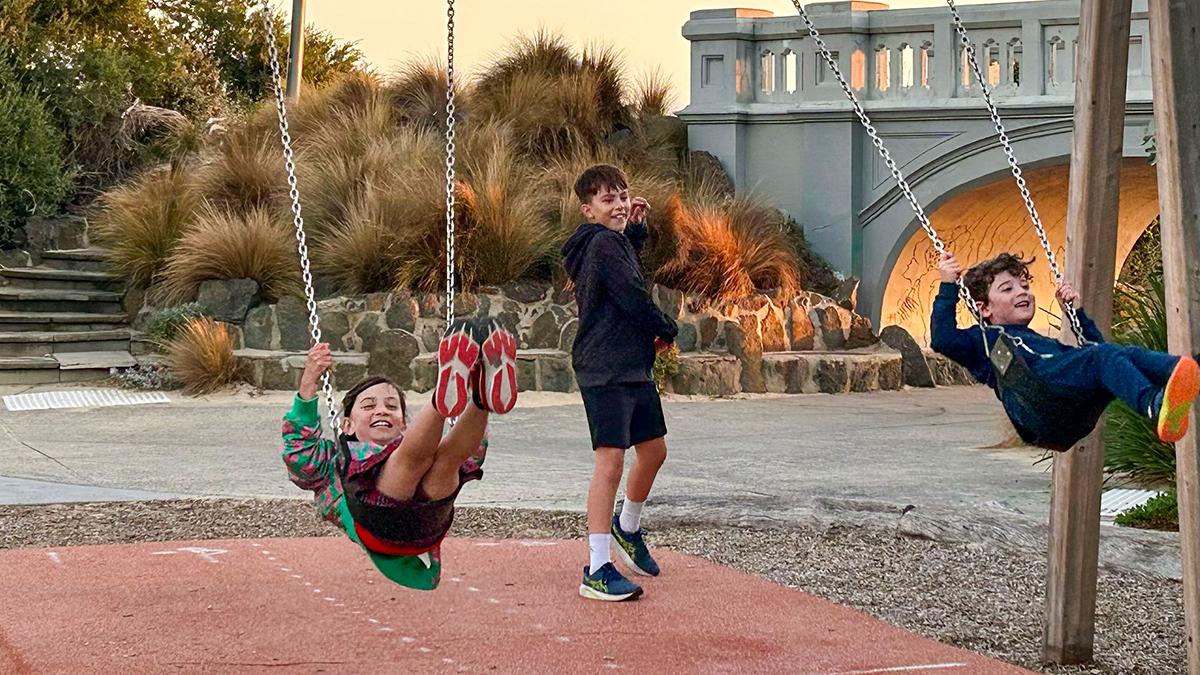
Dr Down said young people consistently expressed the importance of being trusted to explore their own boundaries.
“The aim is not to remove safety considerations. Rather, it’s about balancing risks with benefits and recognising that not all risks are negative. In many cases, taking manageable risks is how young people learn, grow and thrive,” he suggested.
The statement is expected to have significance beyond Australia, with translations into Mandarin Chinese and Arabic planned to support international access.