

Catholic Social Services Australia (CSSA) has called on the Australian Government to commission a comprehensive, whole of government audit of regulatory burden on home buying and building.
CSSA’s formal submission to the Productivity Commission’s Inquiry into Housing Regulation follows its joint contribution with the Australian Catholic Bishops Conference to the Senate Select Committee’s Inquiry into Intergenerational Housing Inequity, reinforcing the critical need to understand and address how regulation impacts housing supply and affordability.

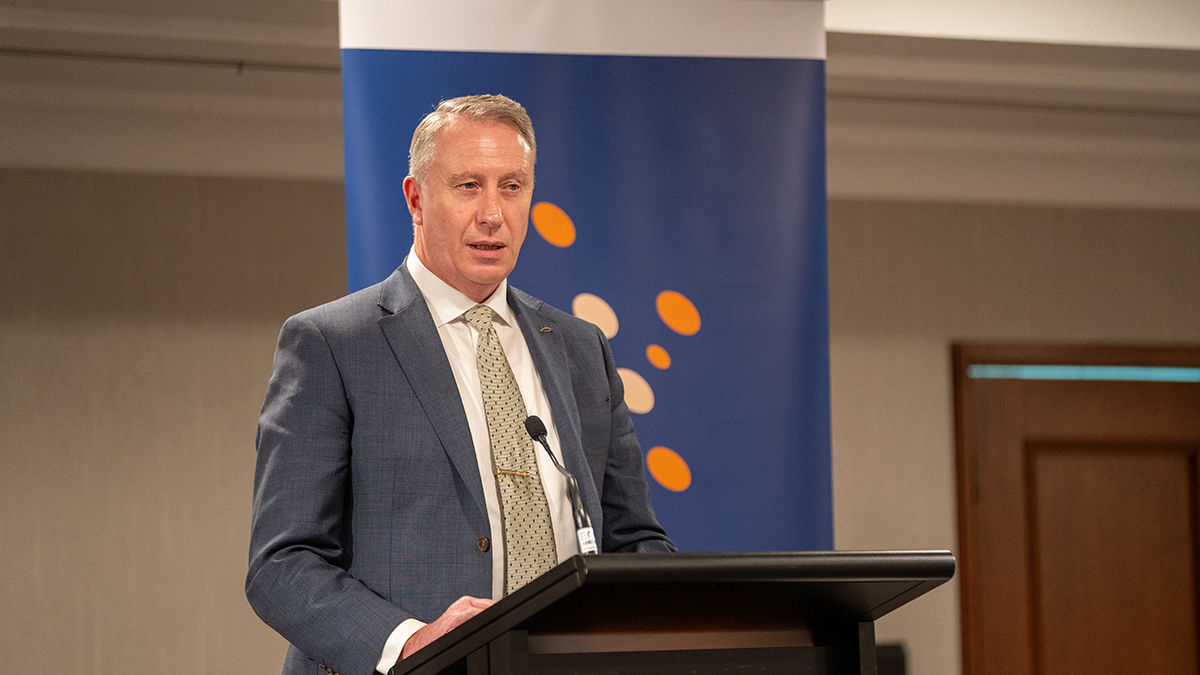
“Regulation is not inherently negative. It is introduced to address specific problems or market failures,” CSSA CEO Dr Jerry Nockles said.
“However, regulatory impact analysis must be rigorous, transparent, and genuine, ensuring that regulations remain fit for purpose, avoid unnecessary duplication, and operate coherently alongside other policy settings.”
Dr Nockles said ongoing regulatory review was important to prevent unintended consequences that disproportionately affect Australia’s most vulnerable.
“Without regular reassessment, well-intentioned regulations can inadvertently constrain housing supply, driving up costs and limiting access – experienced most acutely by low-income households,” he added.
To further illustrate this point, Dr Nockles cited a recent observation by financial commentator Noel Whittaker, quoted recently by Judith Sloan in The Australian:
“In 1976, taxes, fees and regulatory charges made up less than 10 per cent of the cost of a new house-and-land package. Today, depending on where you live, governments are taking somewhere between one-third and one-half of the total cost.”
“This escalation directly inflates housing prices and restricts access for many Australians, particularly those already facing disadvantage,” Dr Nockles explained.
The CSSA submission stresses that increasing housing supply is fundamental to improving availability and affordability across the entire housing market – including affordable and social housing.
“Housing supply is the cornerstone of affordability. When supply is constrained, it drives up prices and rents across all market segments, including affordable housing. Without sufficient supply, policies aimed at supporting disadvantaged households or first-home buyers have limited impact,” Dr Nockles explained.
“Housing is essential social infrastructure, not merely a market commodity. To address intergenerational housing inequity and improve outcomes for Australia’s most disadvantaged and marginalised. we must remove unnecessary regulatory barriers that delay and increase the cost of building homes,” he added.
The proposed audit would quantify the direct and indirect costs imposed by federal, state, territory, and local government regulations; identify duplications and inefficiencies; and establish a baseline for ongoing reform and accountability.
“Unlocking housing supply requires coordinated action across all levels of government. This audit is a foundational step to ensure reforms are evidence-based, targeted, and effective in supporting those Australians most in need,” Dr Nockles said.

CSSA has called on the National Cabinet to prioritise the proposed audit as part of a comprehensive approach to housing reform that supports families, communities, and future generations. The commitment by the Australian Government to a National Housing Reform Blueprint, it says, is already one of the most significant structural reforms in the Commonwealth’s housing agenda.
CSSA also welcomes a renewed focus on tackling the housing crisis through a coordinated approach that combines funding with planning and regulatory reform and measures to accelerate the delivery of well-located, affordable housing.