

Pope Leo XIV has commenced the new year with an extraordinary consistory of cardinals in Rome, signalling an active start to his pontificate as the Jubilee Year concludes.
Held from January 7-8, the extraordinary consistory involved cardinals from around the world, some of whom described the roundtable discussions as “historic, fraternal, and refreshingly synodal.”

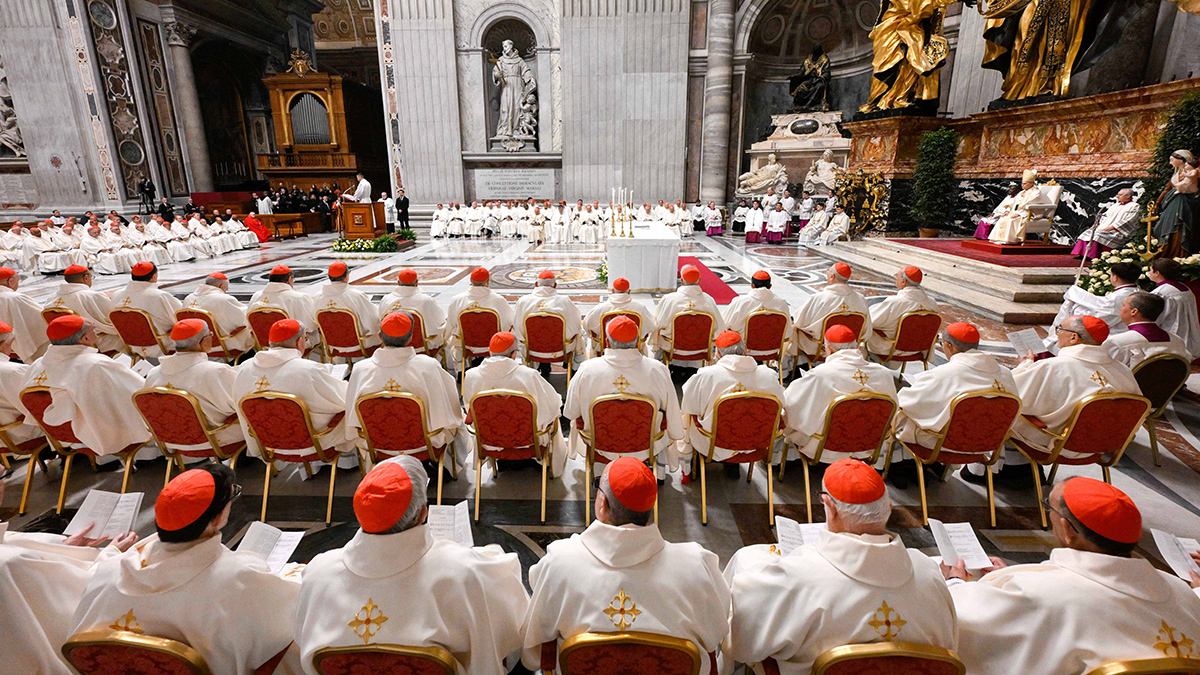
Encouraging the cardinals to be honest with him, the pontiff said: “I hope each of you feels truly free to communicate with me or with others, and we will continue this process of dialogue and discernment.”
“I experience the need to be able to count on you: you are the ones who called this servant to this mission. This consistory will point the way for our path ahead.”
Feedback from the meeting revealed it was less about making decisions and more about building relationships, getting to know one another, and supporting the pope. Discussions focussed on evangelisation and synodality, with the overall mood described as hopeful, missionary, and united. There was also a clear vision from the pontiff for a church that cares.
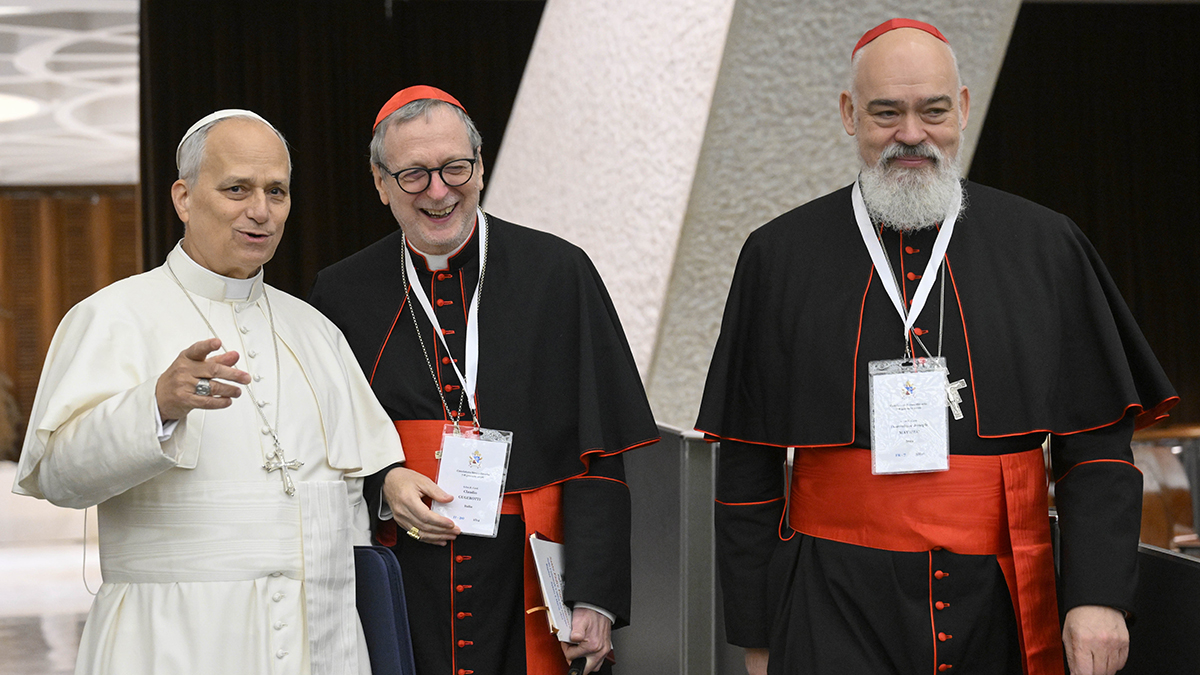
Cardinal Jean-Paul Vesco of Algiers, Algeria, said he “discovered” Pope Leo during the consistory, as a kind, attentive, and deeply human pastor committed to collegial leadership.
“This Pope is a pope you want to love. He’s deeply kind. He loves. He was there, present, simply. It was beautiful. It is clear that Pope Leo wants a Church that is both a missionary Church that proclaims the Gospel, but also a Church that cares,” he added.
Salesian Cardinal Cristóbal López Romero of Rabat, Morocco, said the College of Cardinals had been strengthened.
Cardinal Pablo David of Kalookan, Philippines, said, “It was really refreshing to see the Holy Father was more listening than talking.”
In his concluding address, Pope Leo said he was deeply grateful to all the cardinals that were present.
“Personally, I have felt a deep communion and harmony with all of you throughout the many interventions. We have had an experience of synodality, not as an organisational technique, but as a tool for growing in listening and in relationships. And of course, we must continue and deepen these meetings,” he said.
“At the conclusion of this Consistory, I would like to reiterate what I said in my homily on the Epiphany: “God reveals himself and nothing remains unchanged. His presence puts an end to that type of melancholic complacency which causes people endlessly to say, ‘There is nothing new under the sun’” (Eccl 1:9). This is the hope that is given to us.
“It is the hope that we feel compelled to transmit to the world. And in this context, we also want to express the concern we have shared in our dialogues and personal encounters, and also in some interventions in the study groups, for all those who suffer in the world. As we are gathered here, we are not deaf to the reality of poverty, suffering, war and violence that afflicts so many local Churches. They are in our hearts, we also want to say that we are close to them.
“We are called to take up this journey of hope for the sake of the younger generations: what we experience and decide today does not only concern the present, but also affects the near and distant future,” he added.
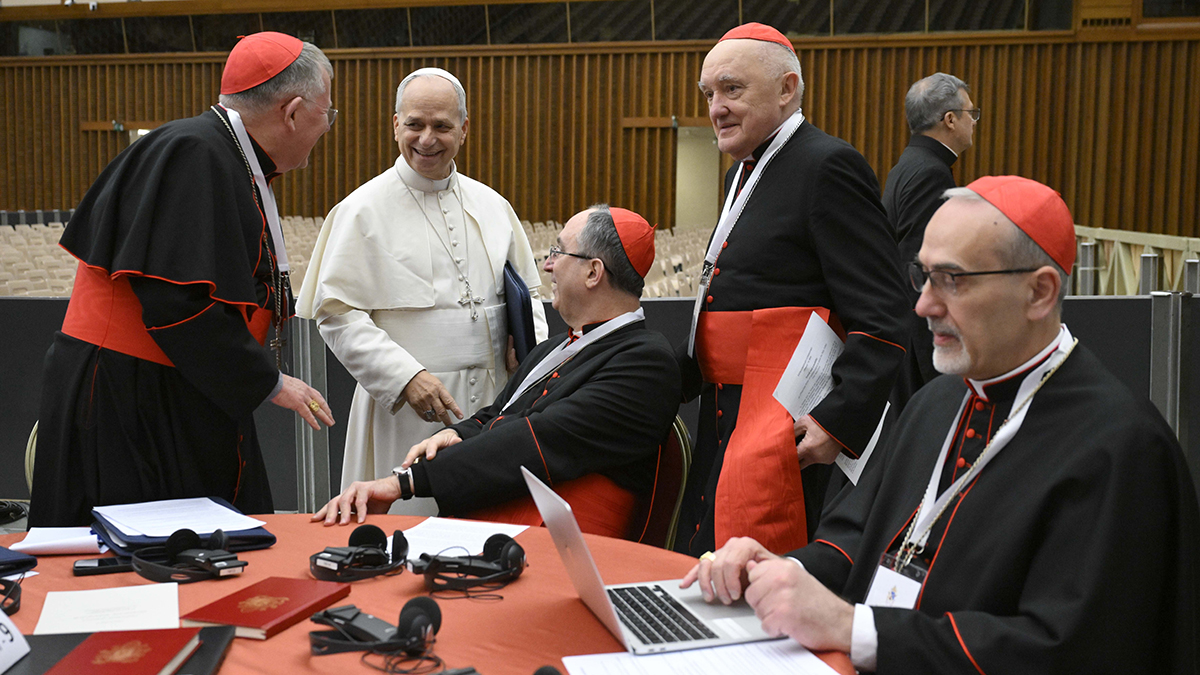
In the Catholic Church, there are two types of consistories, ordinary and extraordinary.
Unlike ordinary consistories, which are often ceremonial, an extraordinary consistory brings together cardinals from around the world and is convened when serious matters facing the Church require broader consultation.
The meeting echoes Pope Leo’s early calls for closer collaboration with the cardinals and a renewed focus on mission and communion. It is widely seen as a key moment for Pope Leo to shape his approach to church leadership and synodality. While it appears that no concrete actions were taken, Pope Leo said the process will continue, with another consistory planned for June.